An intelligent rubber factory: a 60,000-tonne digital line
Unmanned from raw material intake to finished-bale boxing: a 21-step process, 17 core machines and SCADA + MES — commercially validated at a flagship factory in Malaysia. Full-line EPC or single-machine replacement, customized per producing region.
An intelligent rubber factory is a primary rubber processing plant where automated equipment, in-line AI quality control and SCADA/MES digital management run the entire process — essentially unmanned from raw material intake to boxed bales, with data traceable end to end. Jinkun's standard solution is a 60,000-tonne line, delivered as full-line EPC or retrofitted station by station.
Wet and dry sections, split at drying
Traditional pain points: heavy manual involvement, low automation, poor process continuity, no data traceability. Jinkun's three goals: replace labor with equipment, unify quality with intelligent control, and drive everything with end-to-end digital data.
Wet process
Raw material → cutting → washing → mixing → extrusion → bucket filling → sheeting → milling → cooling → pressing
Dry process
Drying → equalization → inspection → metal detection → packing → palletizing
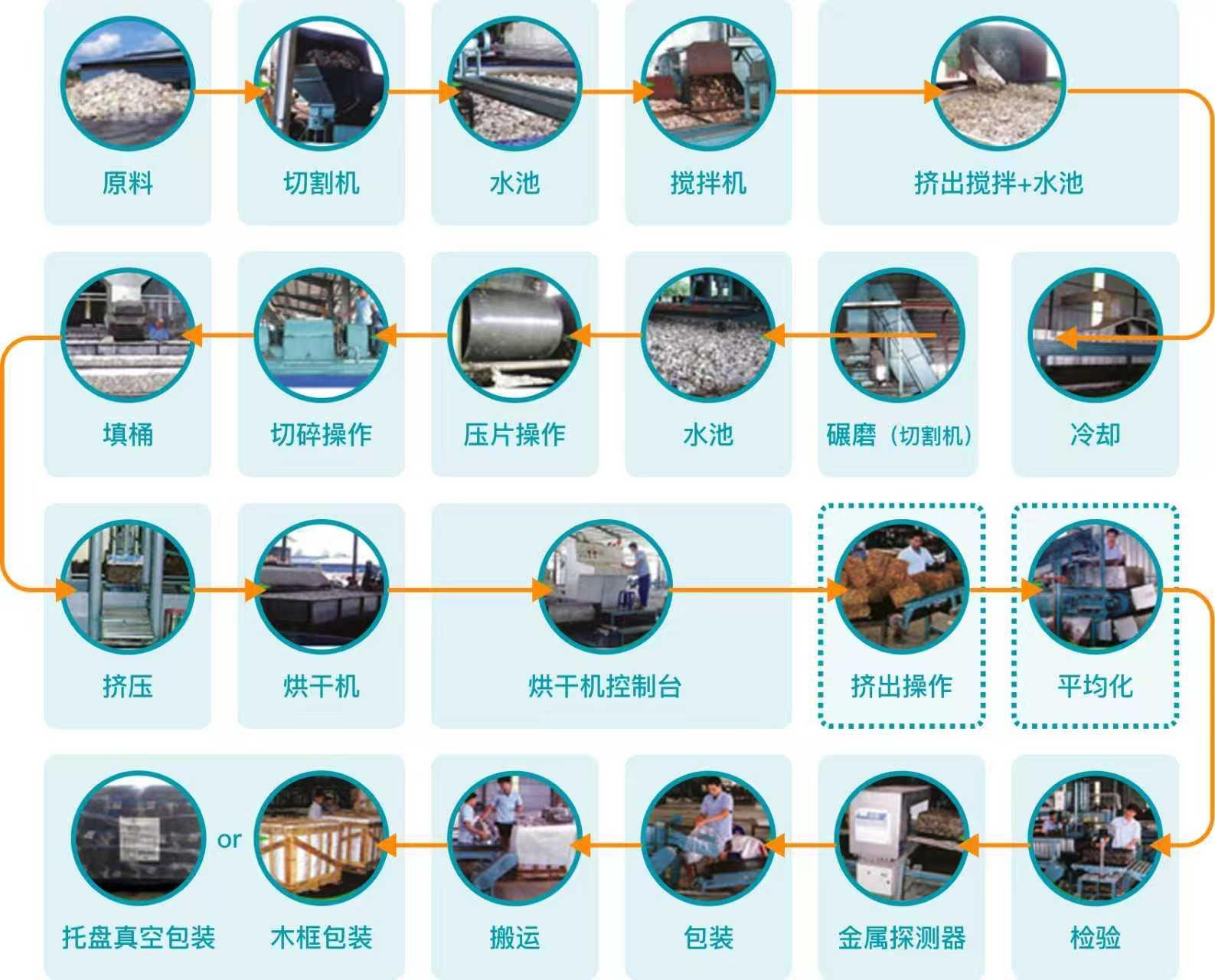
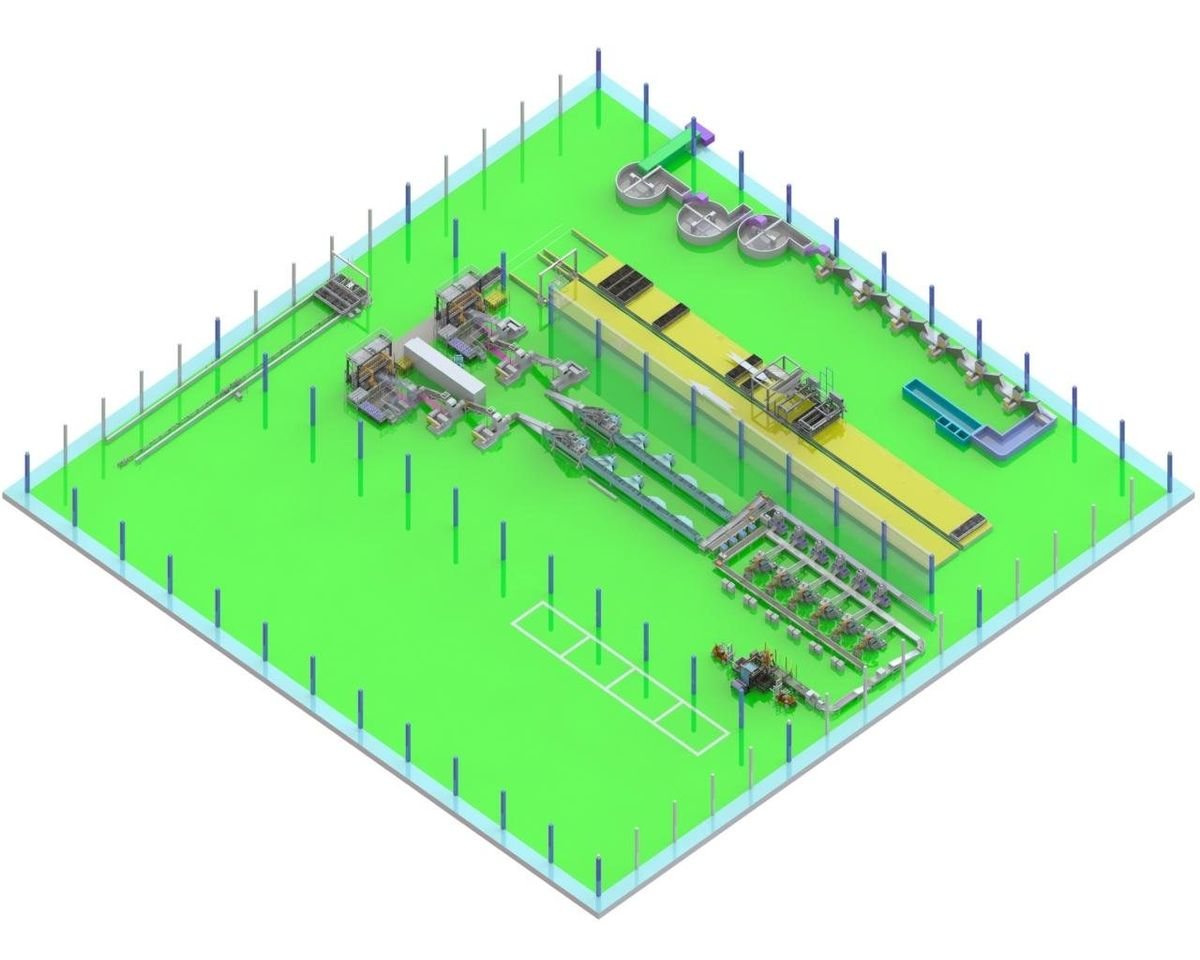
Five systems, 17 core machines — EPC or à la carte
| System | Machines | Count | Labor effect (typical stations) |
|---|---|---|---|
| 01 Breaking & washing | Rubber breaker · circular washer · single/twin-screw breaker-washers · creper · shredder | 6 | Multi-stage breaking and kneading produce uniform sheets and granules |
| 02 Auto bucket filling | Chain conveyor · auto filling machine · tunnel dryer · AGV transfer robot | 4 | Filling station −2, AGV transfer −1 |
| 03 Cooling & feeding | Lifting & feeding system · feeding & weighing system | 2 | Lifting −8, weighing −2 |
| 04 Auto pressing | Automatic rubber press (1200 kN · robot loading) | 1 | Pressing station: 12 → −8 |
| 05 Auto packing & palletizing | Auto bagging · layout & palletizing · film-lining & boxing · AGV forklift | 4 | Bagging −2 · palletizing −3 · boxing −2 |
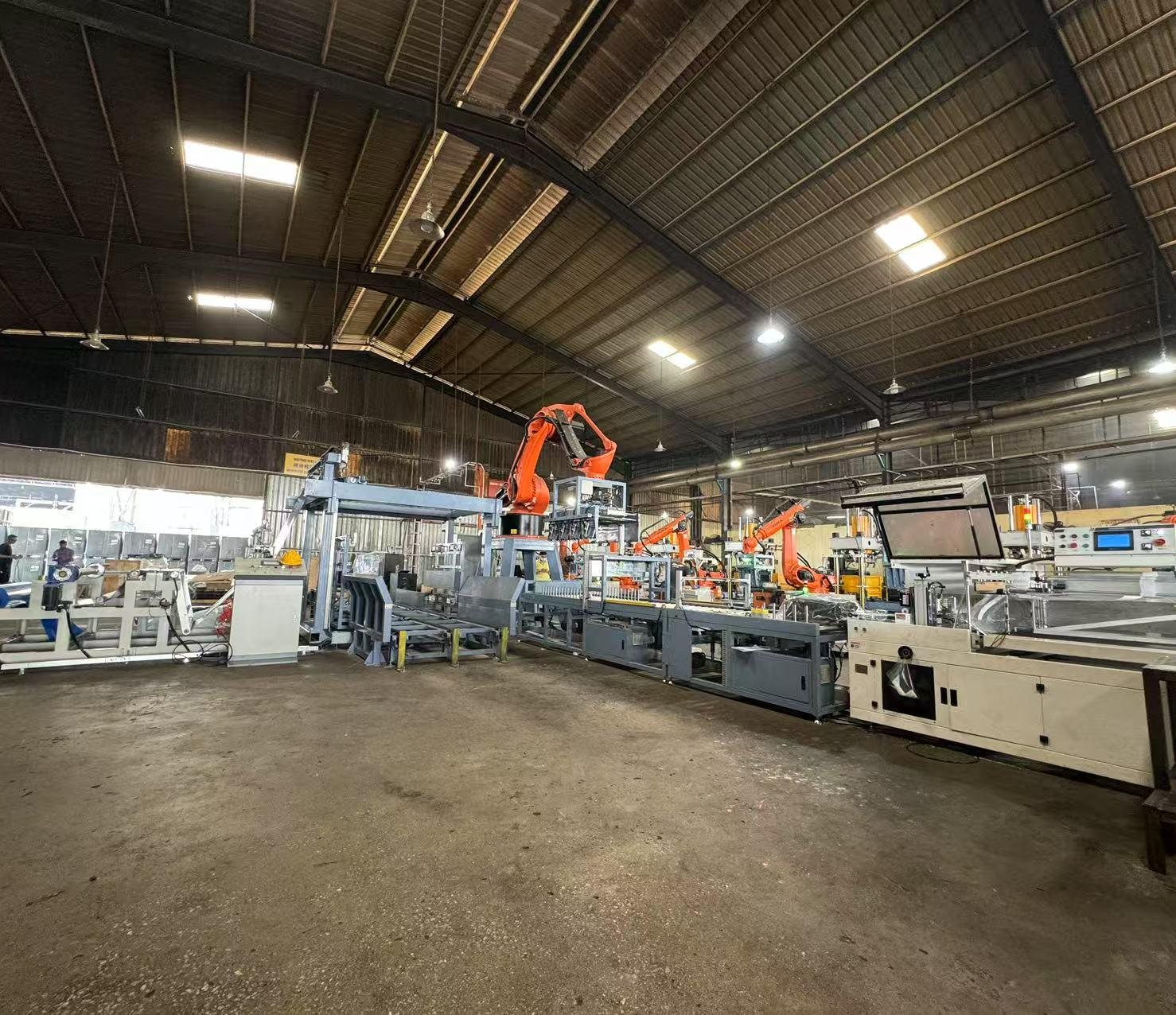
Detailed specifications (throughput, power, dimensions, precision) are available in the full technical proposal; drying supports coal/diesel/natural gas with exhaust recirculation.
SCADA + MES: from device interconnection to production execution
Four layers connected — application → platform → network & sensing → hardware; industrial-standard interfaces including OPC / OPC UA / WebAPI / MQTT / ODBC / Modbus.
SCADA · 8 core capabilities
- Acquisition & storage: real-time data from instruments, control systems and IoT terminals; time-series and alarm data traceable
- Management platform & visualization: device interconnection, graphical configuration, trend curves and live process diagrams
- Access control & security: role-based permissions; industrial-grade data, transport and application security
- Standard interfaces: OPC / OPC UA / WebAPI / MQTT / ODBC
MES · 8 management modules
- Planning & process standards: optimal schedules from orders/equipment/inventory; parameter library per rubber grade
- Execution & quality: completion rates, WIP monitoring, automatic inspection and real-time control charts
- Equipment effectiveness & traceability: OEE analysis, auto-triggered maintenance, two-way material tracing
- Workforce & energy: team dashboards, per-process energy statistics and carbon reporting
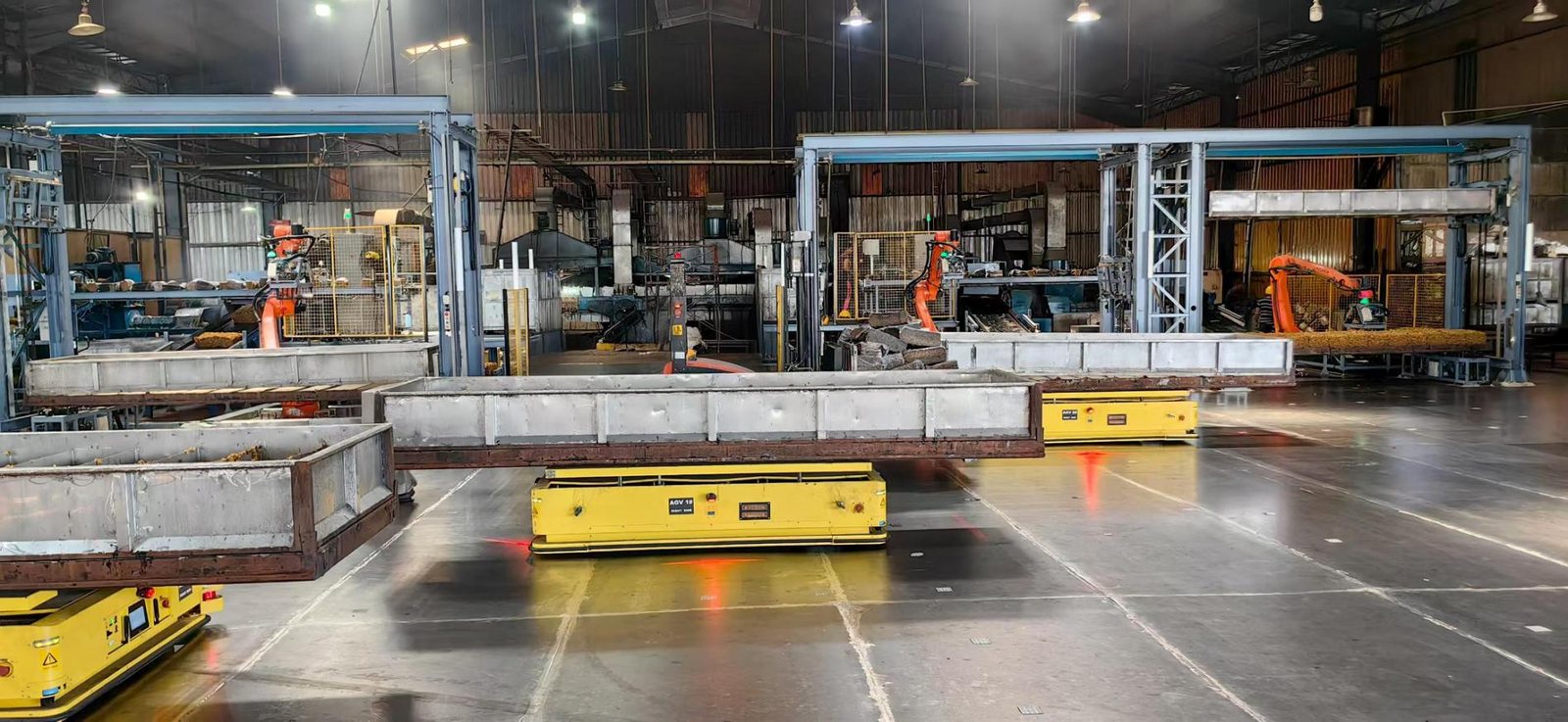
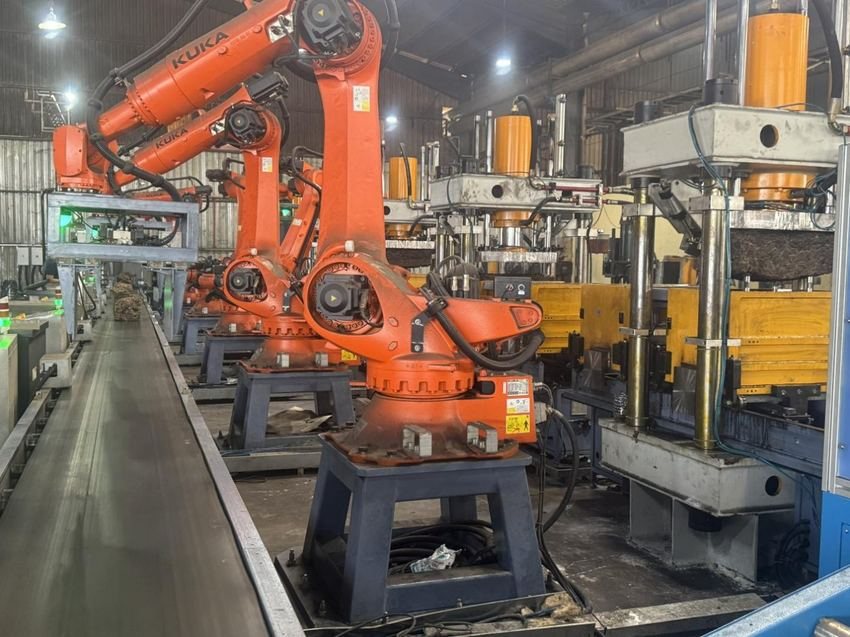
Gemas, Malaysia: the industry's first AI-driven primary rubber workshop
A full smart line in production at a leading Malaysian rubber group — unmanned from raw material to boxed product, deeply integrating embodied-AI robotics, AI decision models, adaptive control and an industrial-internet platform. Mass production since 2024, Phase 2 started 2025; recognized by Malaysia's head of state and listed as a key China-Malaysia economic cooperation project.
How much does a 60,000-tonne line cost — and how fast is payback?
Indicative line pricing
Intelligent processing line (approx. 60,000 t/yr):
approx. RMB 15-17 million
Payback period: approx. 3-4 years
Note: every line is a custom project quoted per site, scope and target capacity; figures above are indicative only.
Where the return comes from — step 1 is usually the feeding and pressing stations
- About 60% less line labor — payroll keeps falling
- AI in-line quality control unifies grades and lifts export premium
- Two-shift 20-hour continuous production keeps utilization high
- Exhaust recirculation cuts heat loss and fuel
- Traceability satisfies tire makers' raw-material requirements
Frequently asked questions
How many people does the line need?
Two shifts of continuous production with only 2-3 patrol staff; at Gemas, Malaysia, staff per shift fell from 46 to 18.
Retrofit or new build?
Both: full-line EPC, or single-machine replacement of the most labor-intensive stations first (feeding, pressing, packing) — customized per site and capacity.
How much, and how fast is payback?
For roughly 60,000 t/yr, indicative price is about RMB 15-17 million with payback in about 3-4 years; final pricing per solution quote.
Is the equipment reliable in hot, humid tropical conditions?
Components are optimized for humidity, corrosion and heat; machines pass full-load continuous burn-in backed by a dedicated damp-heat ageing lab — validated by long-term operation in Malaysia and other tropical regions.
Page updated: 2026-09-02